
The FIFA World Cup stands as the pinnacle of international football, a stage where nations compete for global supremacy and prestige. For most countries, simply qualifying is a monumental achievement. However, not every nation gets the opportunity to even attempt qualification. Over the decades, FIFA has imposed bans on several countries, preventing them from participating due to political conflicts, governance issues, or breaches of regulations. These cases are often discussed when analyzing countries banned from the FIFA World Cup and their impact on global football.
These exclusions highlight how football is often intertwined with global politics, ethics, and administrative integrity. Below is a fully reworked and detailed ranking of the most notable countries banned from the FIFA World Cup participation since 1950.
Table of Contents
List of 10 Countries Banned from the FIFA World Cup
10. Myanmar (2006 World Cup Ban)
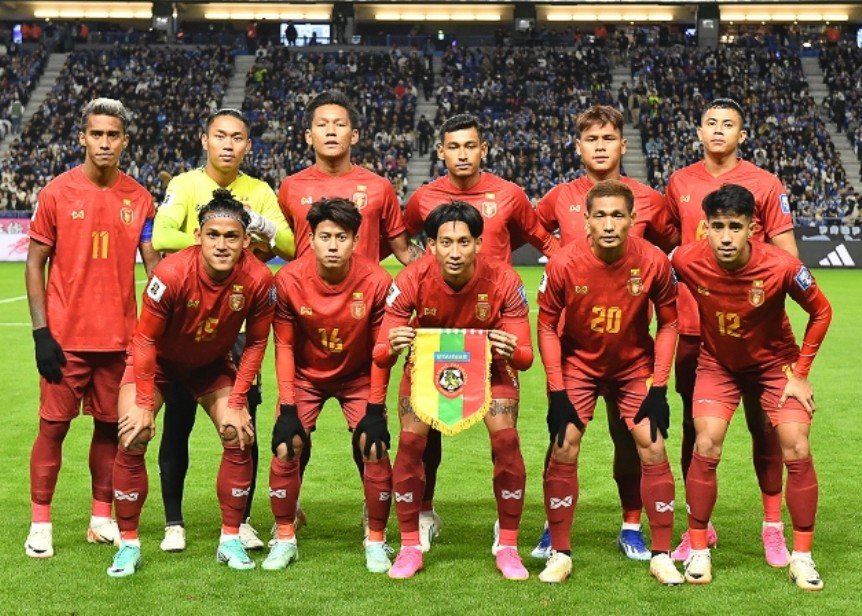
Myanmar’s absence from the 2006 World Cup qualifiers was not due to poor performance, but rather a disciplinary decision by FIFA. The national team withdrew from a qualifying match against Iran during the 2002 qualification campaign without acceptable justification. FIFA responded by banning them from entering the qualification process for the 2006 tournament in Germany, placing them among the countries banned from the FIFA World Cup cycle that year.
This punishment served as a reminder that commitment to international fixtures is mandatory. Since then, Myanmar has complied with FIFA regulations and returned to regular participation in qualifiers.
| Ban Year | 2006 |
| Reason | Withdrew from qualifying match |
| Tournament Missed | 2006 World Cup |
| Ban Duration | One cycle |
| Return Status | Active in qualifiers |
ALSO READ: Top 5 Clubs Mohamed Salah Could Join in Summer 2026
9. Indonesia (2018 World Cup Ban)
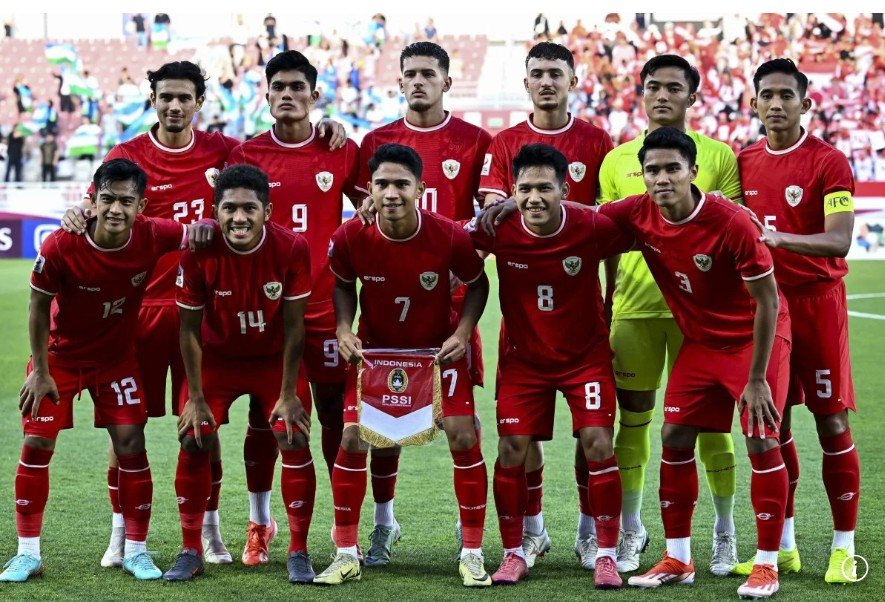
Indonesia’s suspension was rooted in political interference within football governance. In 2015, the national government intervened in the operations of the football association, which violated FIFA’s strict rules on independence. This issue placed Indonesia among the notable countries banned from the FIFA World Cup qualification process.
As a consequence, Indonesia was barred from participating in the qualification rounds for both the 2018 World Cup and the 2019 AFC Asian Cup. The suspension was eventually lifted in 2018 after reforms were implemented.
| Ban Year | 2018 |
| Reason | Government interference |
| Tournament Missed | 2018 World Cup qualifiers |
| Ban Duration | Approximately 3 years |
| Return Status | Ban lifted in 2018 |
8. Kuwait (2018 World Cup Ban)
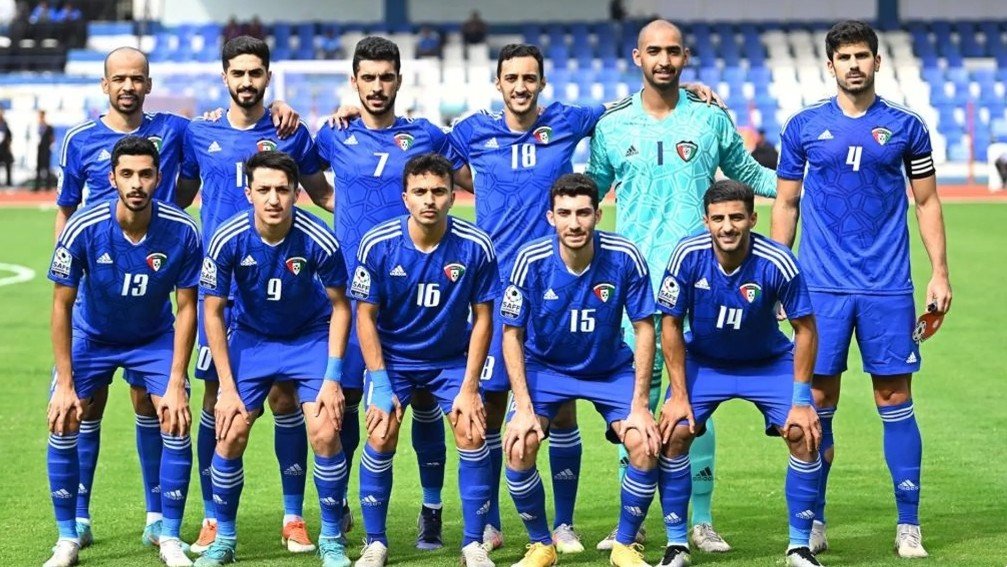
Kuwait has faced multiple suspensions over the years, but its most recent ban affected the 2018 World Cup. FIFA and the International Olympic Committee both sanctioned the country due to laws that allowed governmental control over sports organizations, making it one of the repeated countries banned from the FIFA World Cup.
This violation forced Kuwait to forfeit its remaining qualifying matches. It marked the third time the nation had been suspended, indicating a recurring governance issue.
| Ban Year | 2018 |
| Reason | Government interference |
| Tournament Missed | 2018 World Cup qualifiers |
| Ban Duration | Temporary suspension |
| Return Status | Reinstated after reforms |
7. Chile (1994 World Cup Ban)
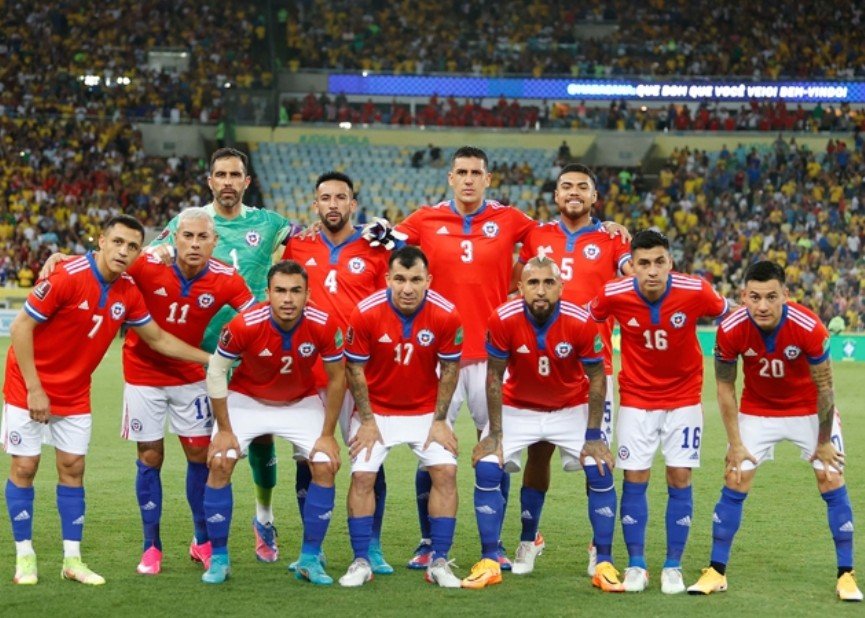
Chile’s ban remains one of the most infamous scandals in football history. During a crucial qualifier against Brazil in 1989, goalkeeper Roberto Rojas faked an injury by cutting himself with a hidden blade. The act was intended to manipulate the outcome of the match, making Chile one of the most controversial countries banned from the FIFA World Cup.
After an investigation revealed the truth, FIFA banned Chile from the 1994 World Cup and handed Rojas a lifetime suspension (later lifted). The incident damaged Chile’s football reputation significantly.
| Ban Year | 1994 |
| Reason | Match manipulation scandal |
| Tournament Missed | 1994 World Cup |
| Ban Duration | One cycle |
| Return Status | Returned after sanction |
6. Mexico (1990 World Cup Ban)
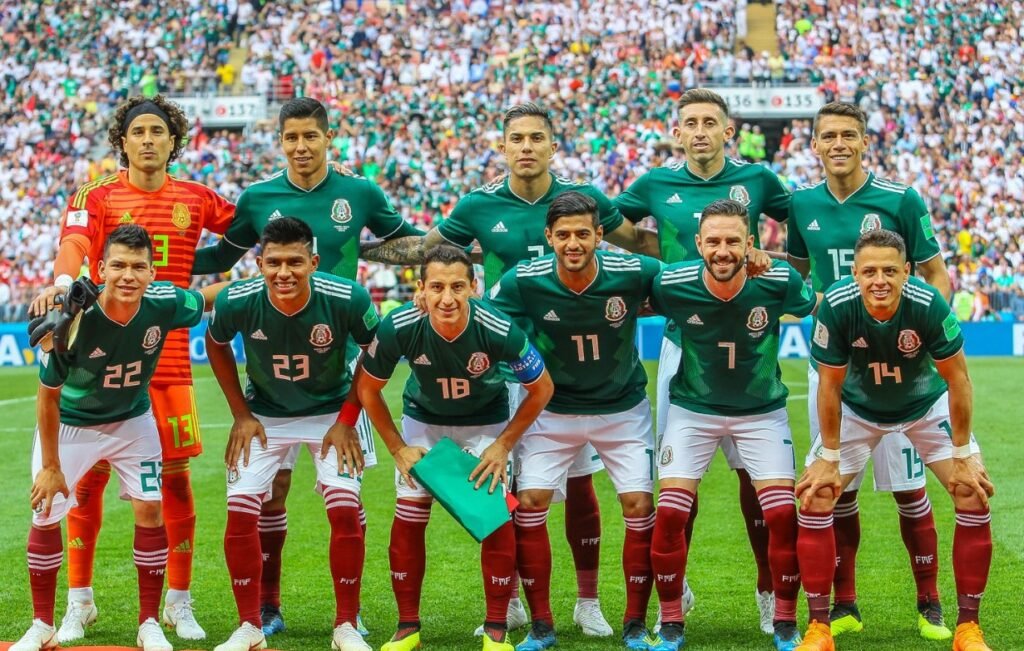
Mexico’s exclusion from the 1990 World Cup was due to administrative negligence. The country fielded overage players in a youth competition, violating FIFA eligibility rules. This led to Mexico being listed among the countries banned from the FIFA World Cup during that period.
FIFA imposed a two-year ban on all competitions, which meant Mexico missed the 1990 tournament. However, they returned strongly and hosted the World Cup again in 1994.
| Ban Year | 1990 |
| Reason | Use of ineligible players |
| Tournament Missed | 1990 World Cup |
| Ban Duration | Two years |
| Return Status | Returned in 1994 |
5. Yugoslavia (1994 World Cup Ban)
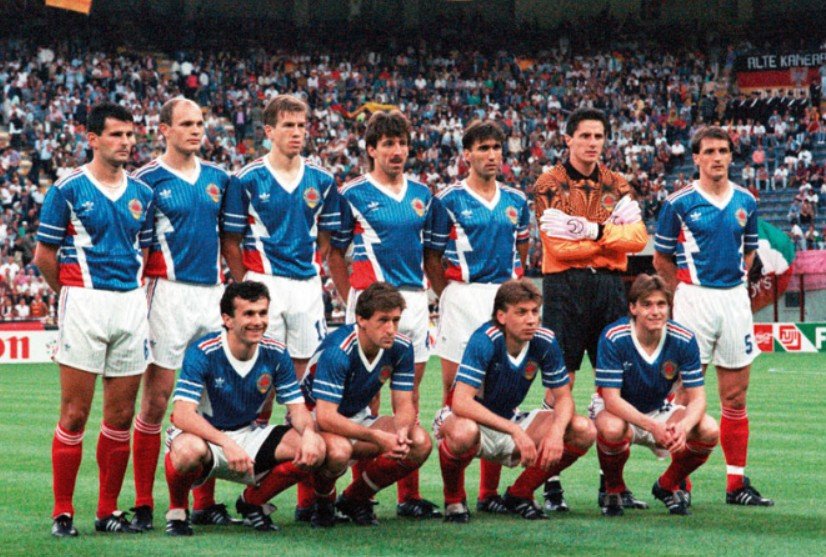
Yugoslavia’s ban was not related to football misconduct but geopolitical conflict. Due to United Nations sanctions during the Yugoslav Wars, the country was barred from international sporting events, placing it among the politically influenced countries banned from the FIFA World Cup.
As a result, Yugoslavia missed both the 1992 European Championship and the 1994 World Cup. The conflict ultimately led to the breakup of the nation.
| Ban Year | 1994 |
| Reason | UN sanctions (war-related) |
| Tournament Missed | 1994 World Cup |
| Ban Duration | Several years |
| Return Status | Nation dissolved |
4. South Africa (1970–1990 World Cup Bans)
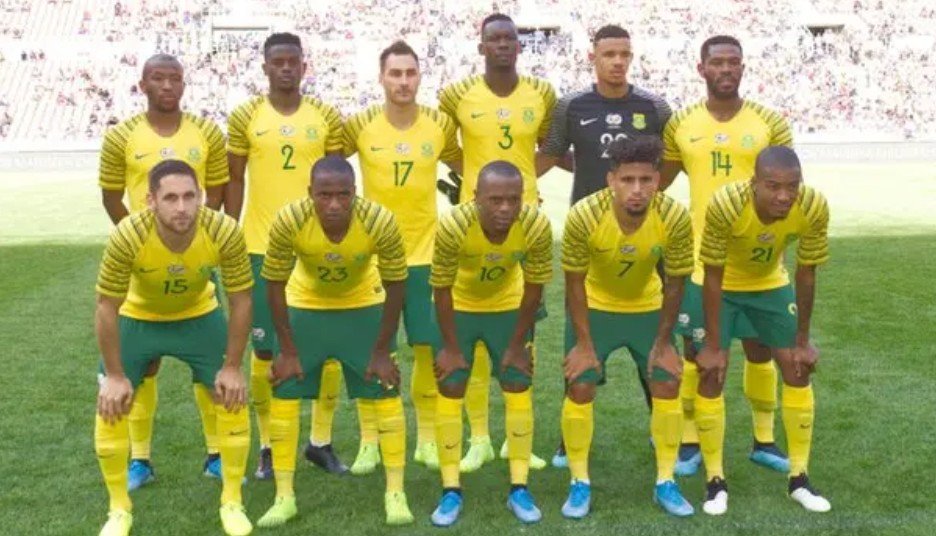
South Africa’s exclusion from multiple World Cups remains one of the longest bans in football history. The nation was suspended due to its apartheid system, which enforced racial segregation, making it one of the most significant countries banned from the FIFA World Cup.
FIFA officially expelled South Africa in 1976, preventing participation in five consecutive World Cups from 1970 to 1990. The ban was lifted in 1992 after apartheid was abolished.
| Ban Years | 1970–1990 |
| Reason | Apartheid policies |
| Tournaments Missed | 5 World Cups |
| Ban Duration | Over 20 years |
| Return Status | Reinstated in 1992 |
3. Pakistan (Multiple Bans: 2018, 2022, 2026)
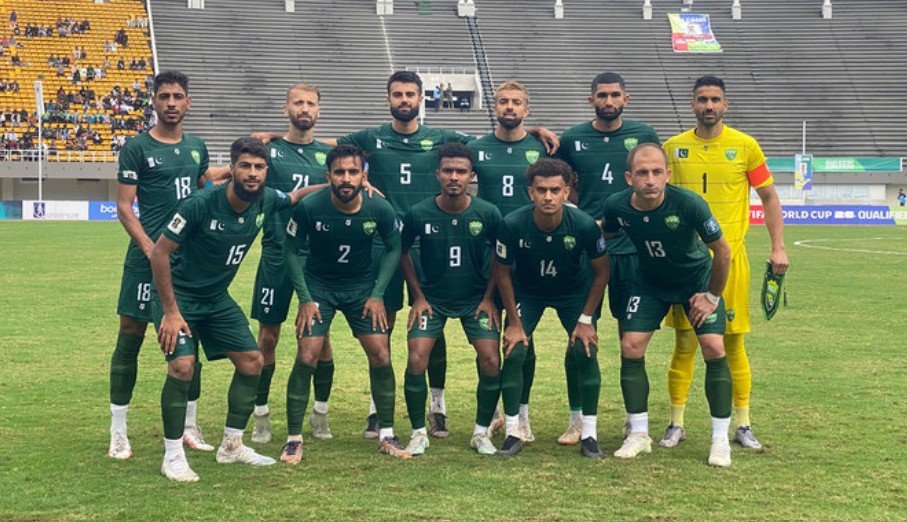
Pakistan has experienced repeated suspensions due to governance instability within its football federation. Legal disputes, court involvement, and internal conflicts have repeatedly violated FIFA’s rules on independence, making it one of the frequently mentioned countries banned from the FIFA World Cup qualification cycles.
The most recent suspension in 2025 stemmed from failure to implement constitutional reforms required for fair elections. These recurring issues have severely hindered the country’s football development.
| Ban Years | 2018, 2022, 2026 |
| Reason | Governance issues & interference |
| Tournaments Missed | Multiple qualification cycles |
| Ban Duration | Repeated suspensions |
| Return Status | Ongoing uncertainty |
2. Russia (2022 & 2026 World Cup Ban)
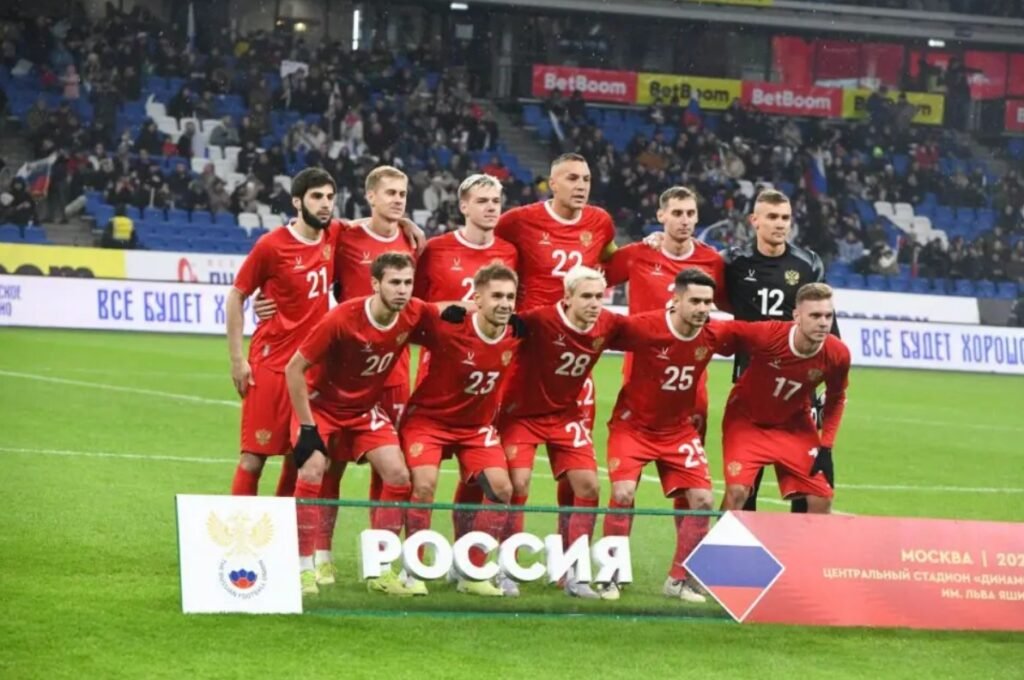
Russia’s ban is one of the most politically significant in modern football. Following the country’s invasion of Ukraine in 2022, FIFA and UEFA suspended Russia from all international competitions, placing it among the most recent countries banned from the FIFA World Cup.
This decision excluded Russia from both the 2022 World Cup and the upcoming 2026 edition. While discussions about reinstatement have emerged, the situation remains unresolved.
| Ban Years | 2022, 2026 |
| Reason | Geopolitical conflict |
| Tournaments Missed | 2 World Cups |
| Ban Duration | Ongoing |
| Return Status | Under review |
1. Germany & Japan (1950 World Cup Ban)
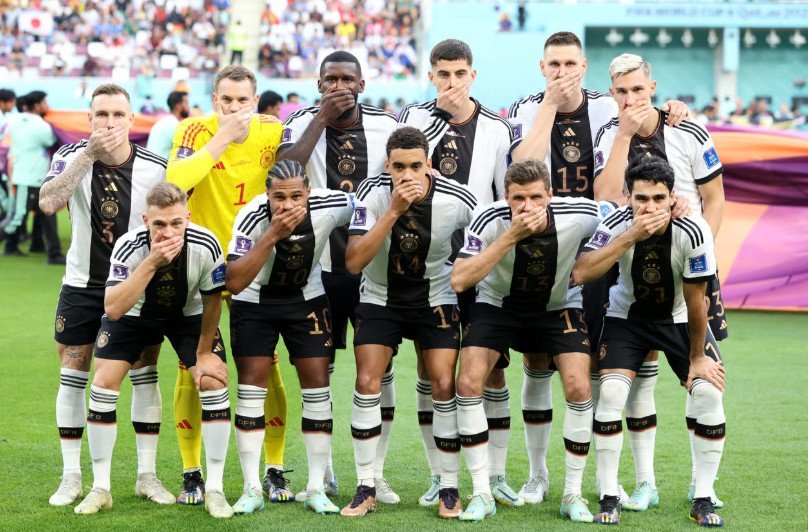
At the top of this list are Germany and Japan, both banned from the 1950 World Cup due to their roles in World War II. After a 12-year hiatus in the tournament, FIFA decided to exclude the Axis powers from the competition, making them the earliest countries banned from the FIFA World Cup.
This decision reflected the global political climate at the time. Both nations were eventually reintegrated into international football and went on to achieve significant success in later tournaments.
| Ban Year | 1950 |
| Reason | Post-World War II sanctions |
| Tournament Missed | 1950 World Cup |
| Ban Duration | One cycle |
| Return Status | Fully reinstated |
FAQs
1. Why are some countries banned from the FIFA World Cup?
Countries banned from the FIFA World Cup are usually suspended due to political interference, governance issues, rule violations, or geopolitical conflicts that breach FIFA regulations.
2. Which country has faced the longest ban in World Cup history?
South Africa experienced one of the longest bans among countries banned from the FIFA World Cup, lasting over 20 years due to apartheid policies.
3. Can banned countries return to FIFA World Cup qualification?
Yes, most countries banned from the FIFA World Cup can return once they resolve the issues that led to their suspension and comply with FIFA rules.
4. Are bans always related to football misconduct?
No, many countries banned from the FIFA World Cup were suspended due to political or governmental interference rather than actions directly related to matches or players.
5. Which recent country has been banned from the FIFA World Cup?
Russia is one of the most recent countries banned from the FIFA World Cup due to geopolitical conflict following its invasion of Ukraine.